

Investment Implications of the Iran Conflict

Park Benjamin, CFA
Sector Leader - Global Credit Research Team, MetLife Investment Management

Thaddeus Best
Director, Emerging Market Sovereign Debt Strategy, MetLife Investment Management

Tani Fukui, Ph.D.
Senior Director, Global Economic and Market Strategy, MetLife Investment Management

Hani Redha, CAIA
Portfolio Manager, Head of Strategy and Research for Global Multi-Asset

Kenneth Ruskin, CFA
Director of Research and Head of Sustainable Investing – Global Equities

Taras Shumelda
Portfolio Manager, Equities Fundamental

Sara Strauch
Portfolio Specialist, Emerging Markets Debt, MetLife Investment Management

John Yovanovic, CFA
Co-Head of Leveraged Finance
The post-strike scenario is thus far playing out largely as might be expected, including Iran’s retaliation, which has hit Gulf Cooperation Council (GCC) countries as it attempts to inflict a cost on the campaign while generating credible deterrence.
Markets have generally responded in an orderly manner, with most moves in line with expectations. Oil as well as gold have been the best hedges, as opposed to government bonds. Risk assets have also been orderly in their declines and in line with their betas, with higher-volatility markets such as EM selling off more notably.
Credit markets’ initial response when markets opened on Monday was in line with our assessment that the impact on spreads would be muted, with outperformance of the US dollar versus other currencies (though rates began to sell off as markets recovered later in the day).
We expect oil prices to remain elevated relative to pre-event levels, with a risk of spikes if there are concerns about a prolonged disruption of the Strait of Hormuz. We believe risk assets can handle a “low intensity” war of attrition in the Gulf if the risk of prolonged impassability of the Strait is diminished.
Overall, we expect risk assets to remain volatile yet push to new highs as underlying fundamentals – which we view to be positive – reassert themselves in the coming months. This event also adds to our conviction that we are in a commodity supercycle due to geopolitical fragmentation and strategic competition for assets and technology.
Many investors awoke to the news Saturday that the US and Israel had launched attacks on Iran in what President Donald Trump called “major combat operations” to destroy Iran’s military capabilities and eliminate the threat of nuclear weapons production in the country. Iran quickly retaliated against the strikes, which had resulted in the death of Iranian Supreme Leader Ayatollah Ali Khamenei, by launching counterattacks aimed at Israel and US military installations across the region, marking a sharp escalation in Middle East tensions and sending shockwaves through global markets.
Stocks initially tumbled on the news Monday, while gold prices rallied and oil prices surged. Credit markets showed a more muted response, with outperformance of the US dollar versus other currencies.
The scope of the operation appears larger than markets had anticipated, raising concerns around regional spillovers, risks to energy supply and shipping routes, and broader global risk sentiment. That said, we believe the situation is more likely to last for weeks than months given the suppression of Iran’s retaliatory capacity as well as limited interceptor inventories in Israel and Gulf Cooperation Council (GCC) countries.
Here we discuss how we’re approaching these developments as we consider how best to position investments for our clients.
The macro picture: Iran, oil, and the Fed
Yields have been rising slightly relative to Friday’s close, in a departure from the declines we tend to see in risk-off scenarios. Expectations of higher inflation rates were the likely driver, and in a complementary move, gold has been rising.
We see the change in inflation expectations as potentially reactive given the many factors that go into CPI pricing and oil’s “non-core” nature. Markets have back-burnered the economy outside of oil prices for now, but broader concerns will likely soon return.
A number of voting FOMC members will be speaking this week – the last before the blackout period – though we don’t believe the Iran conflict will spur a significant reaction. The obvious exception would be if a notable liquidity situation were to hit markets, prompting the Fed to intervene.
The path from the Iran conflict to changes in fed funds pricing would likely occur via oil prices. But there are additional hurdles to clear before we shift our expectations away from three rate cuts. The increase in oil prices would have to be enduring and to filter substantially through to the rest of the real economy. There would also need to be continued good news on the employment side, beyond the one-off strong January report, which some Fed officials (like Governor Christopher Waller) have found unconvincing. We see upside risk to the fed funds rate by year-end, but for now, we retain our expectation of three cuts.
Broader macroeconomic effects on US GDP would likely be minimal if military actions are confined to weeks rather than months.
Equities: oil uncertainties and their impact on industrials
Higher energy prices appear to be having the biggest market impact of the conflict thus far, while the direct effect on industrial stocks appears less meaningful. One global leader in light and sustainable construction, for example, was down 5% Monday given that natural gas is an important feedstock. However, the same company successfully managed price/cost challenges amid the spike in energy prices at the onset of the Ukraine conflict.
For transport companies, the Iran conflict appears to pose at worst a neutral scenario. Rail is more energy-efficient than trucking, so any increase in energy costs could, on the margin, help rail operators and companies specializing in rail technology, including locomotive systems, braking solutions, and control/diagnostic hardware. Conversely, some major global logistics firms have seen slight pressure on trucking, but uncertainty about a potential blockage in the Strait of Hormuz increases complexity and costs, which helps their freight forwarding businesses.
Equities more broadly are in major de-risking mode, with countries, sectors, and currencies viewed as most vulnerable to the conflict being sold off – think airlines, South Africa, Turkey.
Looking further ahead, a prolonged conflict could have a fundamental impact on earnings, but it’s still early to adjust forecasts with confidence.
Overall, the indirect impact of higher uncertainty and high energy prices could hurt cyclical sentiment, but the impact should be broad for all cyclicals (except energy in the near term).
Credit: a more muted (but nuanced) response
The initial response to the conflict when markets opened on Monday was in line with our assessment over the past few weeks: that the impact on credit spreads would be muted, with outperformance of the US dollar versus other currencies.
Within US industry sectors, energy is a relative outperformer, while transport and leisure are relative underperformers. Commodity impacts are the main vector through which developed markets are pricing. We anticipate similar sector trends in European credit, with the addition of negative impacts in chemicals and basics, which are more sensitive to input costs than their US and emerging market counterparts.
The relatively sanguine reaction from markets is likely a function of energy prices’ lower starting levels: WTI crude ended 2025 at $57.42/bbl, with Brent at $60.85/bbl. Energy costs declined materially last year, with WTI marginally profitable versus the average cost of production in most basins. Had the conflict added a $10-$15/bbl geopolitical risk premium from, say, a $75/bbl WTI starting price, market impacts would likely have been more severe. However, with tanker traffic through the Strait of Hormuz constrained by insurance withdrawals and Iran’s reported missile capacity to harass shipping, energy prices are likely to grind higher in the near term.
The Iran conflict will likely result in marginally lower global growth and higher inflation, but the magnitude is unlikely to alter global economic trends unless it spreads beyond the current theater.
Geopolitical volatility will remain a theme during 2026 due to Iran developments but also the ongoing situation in Venezuela and the potential collapse in Cuba that may result. We believe markets can bear the current state of intermediate-term conflicts. However, If China views aggressive US intervention in multiple sovereign nations as tacit permission to increase pressure on Taiwan, this would be far more destabilizing to financial markets.
Our base case remains that credit markets remain range-bound near current levels with minor spread widening to account for the potential for lower economic growth and increased inflation, particularly higher food and energy costs.
Energy markets: Three broad scenarios
Energy markets traded up on Monday, and the path for prices in the coming days will be highly dependent on impacts to oil and gas transit and to energy infrastructure in the GCC region.
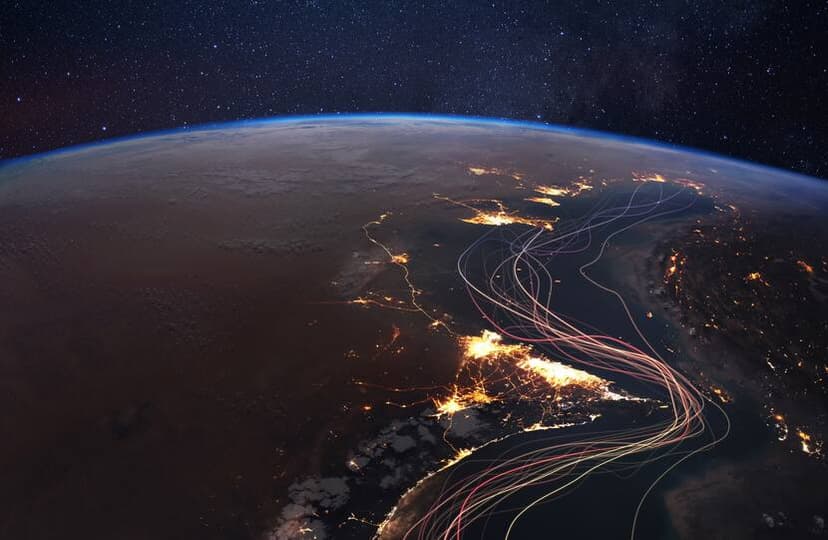
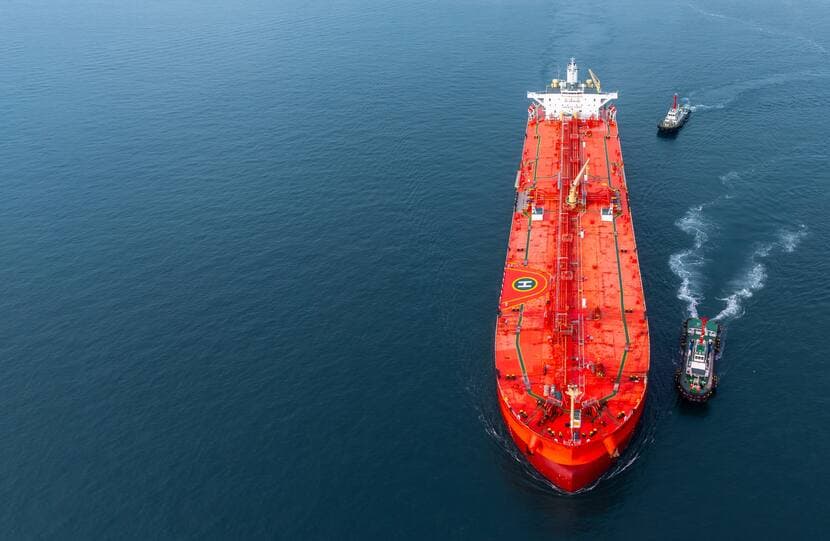
The Strait of Hormuz is a major global chokepoint for oil and liquefied natural gas (LNG) cargos, and roughly 20% of both come through Hormuz daily. Tanker traffic is currently in a self-imposed holding pattern on both sides of the Strait, and we have heard insurers are likely to raise rates 50% or more in the coming days. Iran’s stockpile of an estimated 80,000 Shahed drones could threaten tanker traffic for an extended period of time if a diplomatic off-ramp is not found.
Developments that could make the current situation more persistent include if Iran were to lay mines in the Strait, which would create a dangerous mess that takes time to clean up, or if it were to seriously damage oil production facilities (terminals, refineries, etc.). QatarEnergy’s Ras Laffan LNG complex was hit by a drone strike, shutting the entire facility down. Qatar supplies roughly 20% of global LNG, so a prolonged outage would materially disrupt these markets. Saudi Aramco also halted operations at Saudi Arabia’s largest oil refinery at Ras Tanura after debris from a drone interception caused a small fire at the facility.
A few other points bear watching. Out of the roughly 15.4 million barrels that the US uses per day, either for domestic consumption or in its refineries for petroleum products, about 0.5 million (or 3%) comes from the Gulf (roughly 80% of Gulf oil flows east, not west). Because it is less dependent on oil coming through the Strait than are other parts of the world, the US faces price effects but fewer quantity concerns.
The shadow market of Russian oil creates another question mark. Russian oil appears to travel a different route, which means the closure of Hormuz provides at least a short-term benefit to Russia and could also make it harder to persuade India and other Russian oil buyers to wean themselves – and could also indirectly prolong the war in Ukraine.
LNG prices, meanwhile, look set to become a pain point – not for the US but for China and Europe – as LNG tankers are also blocked from passing through the Strait of Hormuz.
We see three broad scenarios for energy markets in the near term:
Iran yields to diplomatic talks within one week. Iran’s current stance is that it is unwilling to negotiate with the US after this weekend’s campaign. However, days of heavy bombing and removal of more leadership could push Iran to the table. Prices for oil and LNG should recede from current levels but still maintain some of the war premium from the past 45 days.
Iran installs harder-line Islamic Revolutionary Guard Corps (IRGC) leadership or spirals into political chaos. Either of these scenarios would likely keep oil and LNG prices elevated around current levels. The Israelis are seeking full regime change in Iran, which has never been accomplished by air strikes alone elsewhere. Commitment to this goal could result in a prolonged war unless Iran’s population is able to overthrow the current regime.
Iran escalates by militarily controlling the Strait of Hormuz or conducting broader energy infrastructure attacks on its neighbors.
While not our base case, this outcome is still plausible, and in this scenario we would expect oil to move to $100/bbl or higher depending on the duration of transit disruptions or the extent of damage to infrastructure.
Producers outside the Middle East who could help fill a supply gap would be the initial prime beneficiaries – particularly companies in the US and Canada that can ramp up production quickly and have the infrastructure to move volumes to market. On the financial side, some producers are already looking to layer in additional hedges; however, much of the price movement has been concentrated on the front of the curve.
Emerging markets: regional exposure drives outcomes
The impact on emerging markets is driven primarily by direct regional exposure, with broader spillovers dependent on energy market developments and global risk sentiment.
Middle Eastern sovereigns are the most directly exposed, with spreads vulnerable to widening should the conflict become more prolonged or expand geographically. Egypt and Turkey represent the most relevant second-order exposures, primarily through energy prices, capital flows, and shifts in investor risk tolerance, while Lebanon remains idiosyncratic. Central and Eastern Europe is particularly sensitive to an energy-driven inflation shock, with Hungary among the most exposed.
In contrast, CIS commodity exporters including Russia, Kazakhstan, Azerbaijan, and Uzbekistan stand to benefit from higher oil and gold prices. The escalation risks becoming a net negative for Ukraine peace negotiations as global focus shifts.
Energy markets remain the central transmission channel for the current escalation, with oil prices and shipping dynamics driving second‑round effects across global and EM assets. Oil repriced sharply higher following the weekend’s events, with Brent briefly moving above $80/bbl before retracing somewhat, and near‑term upside risk remains elevated should hostilities persist or broaden. The Strait of Hormuz remains the key tail risk, as even partial disruption could have outsized effects on prices, insurance costs, and volatility given the concentration of global energy flows.
For emerging markets, elevated energy prices imply a divergent macro outcome, supporting oil‑exporting sovereigns through stronger fiscal and external balances while posing headwinds for energy‑importing economies via higher inflation, weaker growth, and pressure on external accounts. Historically, oil has tended to be the best‑performing asset immediately following geopolitical shocks, with gains often front‑loaded and highly sensitive to whether shipping disruptions or infrastructure damage ultimately materialize.
Early EM bond and FX market reactions
Markets opened on Monday risk-off but contained, quickly squeezing off early lows. Initial selling was driven by Asia-based accounts, particularly in Gulf Cooperation Council (GCC) sovereigns including Abu Dhabi and Saudi Arabia. Local demand has emerged in sovereign and quasi-sovereign bonds, with stabilization seen in countries including Bahrain, Egypt, and Lebanon. High yield MENA/GCC sovereigns were down roughly 0.25 pt-1 pt, while investment grade sovereigns were 5 to 10 basis points (bps) wider. Israel bonds were tighter on the day (5 bps -10 bps), driven by local support.1
Foreign exchange (FX) pressure is being driven primarily by US dollar strength across the globe, with assets most sensitive to energy prices or places with crowded positioning leading the move lower. Euro-based FX markets are all under pressure, Turkey faces renewed inflation sensitivity from higher oil prices, and Egypt remains vulnerable to risk aversion and energy-driven balance-of-payments pressures.
Assessing investments in a rapidly evolving situation
Much could change in the coming days and weeks as events in Iran play out, and while markets thus far have been orderly overall and responded within parameters that might be expected, uncertainties abound. As markets continue to digest the reality of this new conflict and additional developments unfold, we will keep investors informed of what we are seeing – and how we think best to respond.
1 Bloomberg LP as of 2 March 2026.
Disclosure
MetLife Investment Management (“MIM”), which includes PineBridge Investments, is MetLife, Inc.’s institutional investment management business. MIM is a group of international companies that provides investment advice and markets asset management products and services to clients around the world. The various global teams referenced in this document, including portfolio managers, research analysts and traders are employed by the various legal entities that comprise MIM.
All investments involve risk, including possible loss of principal; no guarantee is made that investments will be profitable. This document is solely for informational purposes and does not constitute a recommendation regarding any investments or the provision of any investment advice, or constitute or form part of any advertisement of, offer for sale or subscription of, solicitation or invitation of any offer or recommendation to purchase or subscribe for any securities or investment advisory services. The views expressed herein are solely those of MIM and do not necessarily reflect, nor are they necessarily consistent with, the views held by, or the forecasts utilized by, the entities within the MetLife enterprise that provide insurance products, annuities and employee benefit programs. The information and opinions presented or contained in this document are provided as of the date it was written. It should be understood that subsequent developments may materially affect the information contained in this document, which none of MIM, its affiliates, advisors or representatives are under an obligation to update, revise or affirm. It is not MIM’s intention to provide, and you may not rely on this document as providing, a recommendation with respect to any particular investment strategy or investment. Affiliates of MIM may perform services for, solicit business from, hold long or short positions in, or otherwise be interested in the investments (including derivatives) of any company mentioned herein. Views may be based on third-party data that has not been independently verified. MIM does not approve of or endorse any republication of this material. This document may contain forward-looking statements, as well as predictions, projections and forecasts of the economy or economic trends of the markets, which are not necessarily indicative of the future. Any or all forward-looking statements, as well as those included in any other material discussed at the presentation, may turn out to be wrong.

Recent Insights